
Dual-use, controlled or sanctioned?
How price and place are impacting export controls

Geopolitical events of the past few years have left an indelible mark on the world around us, both literally and figuratively speaking. Sanctions are no different. Where once export controls focused on “controlled” (requiring an export licence) or “dual-use” (potential for both civilian and military purposes) goods, today’s goods screening controls demand scrutiny of a broader manifest.
Controlled goods
Items which are subject to export restrictions due to their potential impact on national security, foreign policy, or international obligations and require export licenses.
Dual-use goods
Items with both civilian and military applications (e.g., tungsten, advanced electronics) – dual-use goods are inherently “controlled”.
Sanctioned
Items that are prohibited or restricted from being exported to certain countries, entities, or individuals due to economic sanctions, aiming to cut revenue sources or restrict access to luxury goods.










LEGISLATING LUXURY
The increasing role of sanctions as a foreign policy tool has resulted in a focus on the global movement of luxury items. Sanctions on these goods are not linked to their end use, but to the end user. This shift reflects growing recognition that sanctions are one of the most effective tools available to disrupt economic flows, curb luxury consumption and apply economic pressure to certain governments or regimes.
Nowhere has that been applied more fervently than in the luxury goods market. The EU is just one of many global trade bodies that prohibit the export of luxury goods into certain countries on foreign policy grounds. The full list of goods it restricts for export to Russia, for example, range from wine and caviar to designer watches and bags exceeding a value of €300 per unit. The US applies a similar logic, with a $1,000 wholesale cap for most luxury goods going into Russia.


This means that exporting seemingly innocuous items like premium beer, sunglasses or perfumes can unwittingly violate sanctions, depending on where they are destined. A €100,000 shipment of wine containing €200 bottles going into Russia, for example, would be allowed, while a shipment of €325 handbags would not. These examples underscore the importance of accurate valuation and classification. Misreporting prices (either intentionally or accidentally) can result in enforcement actions, reputational damage and further regulatory scrutiny.

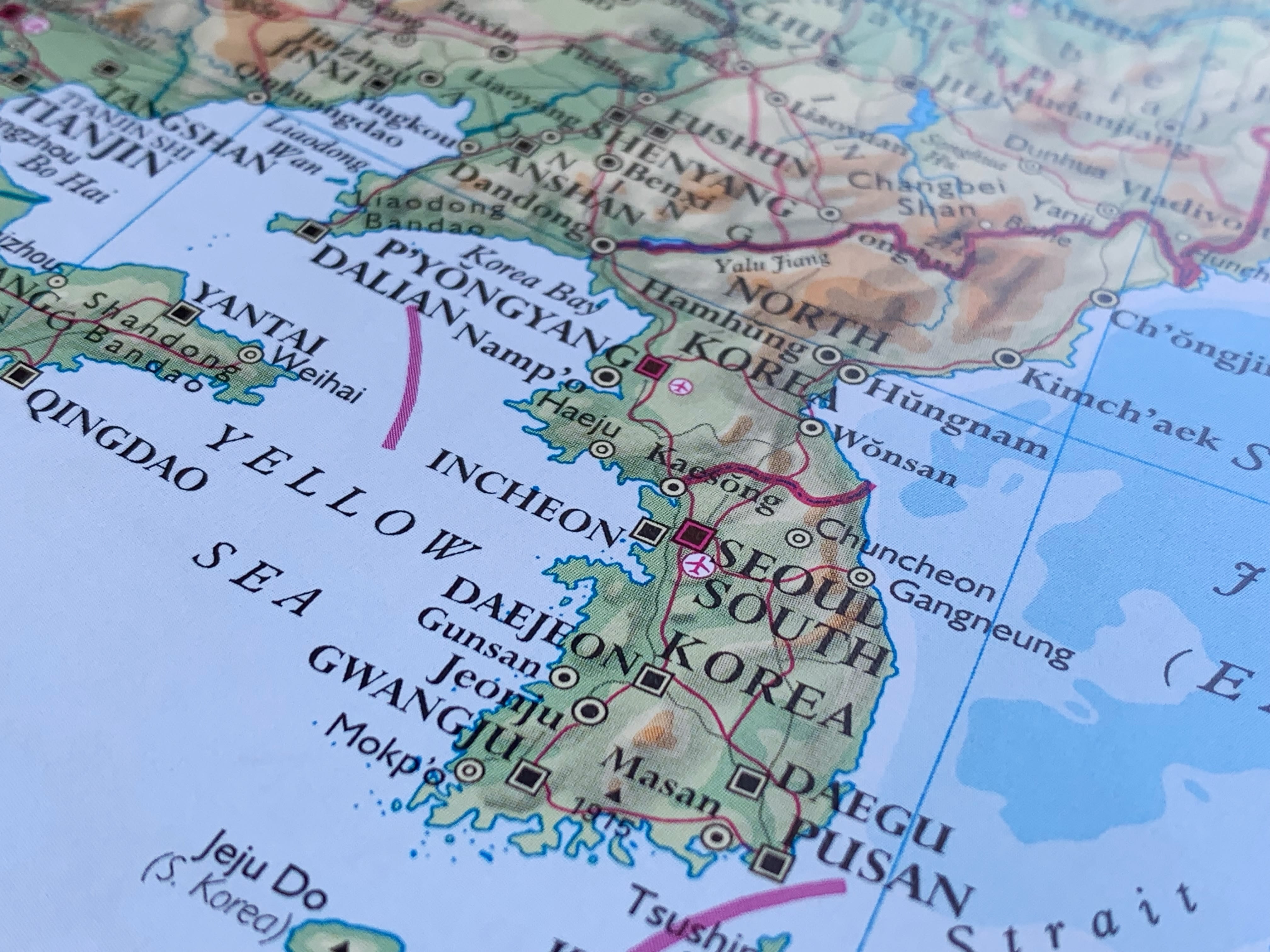






Destination is another factor
Certain countries are subject to blanket bans or highly specific restrictions on goods, such as:
CUba
All US goods trade is restricted under a longstanding embargo (notwithstanding exceptions for humanitarian goods).
Venezuela
The US blocks certain individuals or entities who they determine are operating in the country’s gold sector.
COMBATTING EVASION
Where sanctions exist, there will inevitably be attempts at evasion. Bad actors increasingly exploit loopholes using tactics such asunder-invoicing, mislabelling, using intermediary countries or concealing the final destination of the goods.
These tactics make it harder for compliance teams to detect risk using traditional screening methods. A shipment of wine labelled as “grape juice”, or a luxury watch split across multiple invoices may not trigger alerts unless systems are designed to detect such contextual anomalies.
Compliance teams need to look beyond the nature of the goods and ask: Where is it going? How much is it worth? Who’s involved? These questions are now central to export control decisions.


At LexisNexis® Risk Solutions, we understand that trade compliance is no longer just about dual-use goods. Our tools are built to assess risk based on location, value, classification and behavioral signals. By combining real-time data with advanced analytics, we empower businesses to stay ahead of evolving controls and avoid costly missteps.
For more information, get in touch.
Think you know controlled goods? Put your knowledge to the test by playing our Customs Clearance Game.




This document is for educational purposes only and does not guarantee the functionality or features of any LexisNexis Risk Solutions services identified.
LexisNexis® Risk Solutions does not warrant that this document is complete or error-free. LexisNexis and the Knowledge Burst logo are registered trademarks of RELX Inc.
Copyright © 2025 LexisNexis Risk Solutions.
 Built with Shorthand